

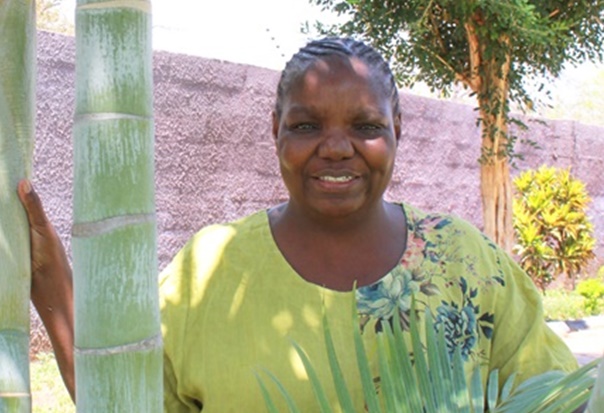
One of the leading figures in the UK foster care system, is Nyasha Gwatidzo, founder of London-based fostering agency Banya. Here Nyasha shares her fostering journey from becoming a foster mum to launching her own fostering agency.
Where did your passion for helping children come from?
Since I was 4 years old, I knew that my job here on earth was to help children. One of my first memories is of carrying a baby on my back…that was when I still lived in Zimbabwe. I wasn’t much older than the child I was carrying!
But I got distracted along the way. I went down the academic path and studied chemistry, until my PhD advisor spoke with me about my zone of genius. He could clearly see what I couldn’t at the time and recommended I should consider working with people. Right away, I knew he was right! And I retrained as a Social Worker and Psychotherapist.
That time taught me what it feels like to be off track and how it feels to align with one’s purpose.
How did you come to set up Banya?
Through my work as a Social Worker and Psychotherapist I got to know first-hand the issues many disadvantaged children face. I started running a therapy group for teenage girls who had been sexually abused and I then went on to set up the very first independently run therapeutic home for children with emotional and behavioural difficulties. It supported children that had been abused, neglected and enslaved. They suffered from considerable emotional damage. The children’s home provided a space of healing that did not exist as part of the ‘mainstream’ care sector.
Around the same time that I set up the home, I read an article about unaccompanied minors arriving from war zones and living in the UK without their parents. I moved to England with my parents and siblings as political refugees from Zimbabwe, before its independence. When I arrived here, I suffered with the cold weather and culture shock, but I was lucky to have the support of my family. I just could not imagine any child arriving in the UK without their families and support, so I became a foster carer for Westminster Council in London.
Over time, my fostering journey led me to found Banya Family Placement Agency and its charity Vana Trust. Since its inception we’ve supported over 7,000 children and over 400 carers.
What makes Banya different?
Our support and the development of our foster carers to be therapeutic in the way that they care for children placed with them. We see our carers very much as part of the professional team who put the children at the centre of what they do in their household. They are my unsung heroes.
I’m proud that only 2.1% of Banya placements disrupt against a national average of 20%. I believe that our success is down to the continued support we offer our foster families. Our work doesn’t end when we’ve placed a child. We are always on call to support our foster carers when they need us. Fostering does bring its challenges, but the rewards outweigh them.
Who is a typical Banya carer?
This is difficult to answer as we have such diverse carers from different backgrounds, but the average age of our carers is 46 for women and 53 for men. Most of them have parented their children and have empty nest syndrome.
How has COVID-19 affected your business?
We have not been able to visit our carers and both our carers and staff have had coronavirus, from mild symptoms to critical, as well as families suffering from the loss of family members.
What is your biggest challenge at the moment?
COVID-19 and recruiting more foster carers, as there is a national shortage of carers.
Tell us more about Banya’s business model and how it funds causes both in the UK and abroad.
Banya has contracts with local Government, that’s how we get income – when they place children with our carers. Out of it Banya donates every month to Vana Trust, a charity I founded with my mother in 2003. Vana Trust has two projects, one in UK where we run a therapeutic farm for young people and adults with learning and mental health difficulties; and the second we pay school fees for disadvantaged children in Southern Africa from nursery to university as well as providing food, textbooks and uniforms.
#Thisisfostering. How would you sum up fostering in five words?
Loving, rewarding, diverse, inspiring and transformational. It’s a life changing and life affirming experience. Supporting children through difficult times is my passion, purpose and my life.
