

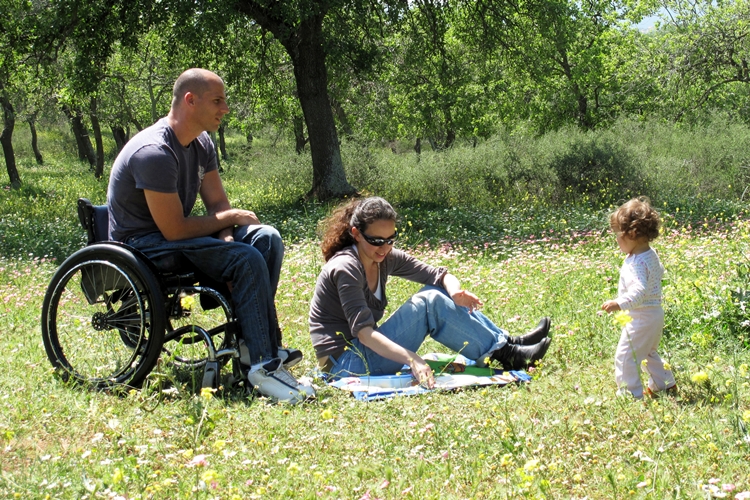
When people think about becoming a foster carer, they often run through a mental checklist of what they think a foster agency is looking for. A common misconception is that you need to be in perfect physical health to qualify.
At Banya, we want to clear up this myth straight away: having a disability, a long-term illness, or a health condition does not automatically rule you out from fostering.
In fact, we know that people with disabilities bring incredibly valuable life skills, resilience, and unique perspectives to fostering. What matters most to us isn’t whether you have a disability, it’s your ability to provide a safe, loving, and stable home for a child.
What Does the Assessment Process Look Like?
Every prospective foster carer goes through a thorough assessment process, regardless of their background or health. As part of this, you will have a standard medical check with a GP.
The purpose of this check isn’t to look for perfection; it is simply to ensure that fostering is safe and manageable for you. We want to make sure that the day-to-day responsibilities of caring for a young person won’t negatively impact your own wellbeing or health.
When we look at your application, we consider:
- Your support network: Do you have family, friends, or a community around you who can step in and help when needed?
- Your daily management: How do you manage your condition, and what practical adjustments or support tools do you use in your everyday life?
- Matching: Fostering is all about finding the right fit. We work closely with you to match you with a child whose specific needs align with what you can comfortably provide.
Why Your Lived Experience is an Asset
Children and young people enter foster care from all walks of life, and many have faced hurdles or live with disabilities and additional needs themselves.
As someone with a disability or health condition, you already possess unique strengths that can help a foster child thrive:
- Empathy and Understanding: You understand what it feels like to face barriers, preconceptions, or challenges. This deep sense of empathy can help a young person feel truly seen, understood, and accepted.
- Problem-Solving Skills: Living with a disability often requires adaptability and creative problem-solving. These are exactly the kinds of practical skills that help you with the unexpected twists and turns of parenting.
- Being a Role Model: By managing your condition and living a full, active life, you show a young person that challenges can be overcome. You can teach them resilience, self-advocacy, and confidence just by being yourself.
How Banya Supports You
At Banya, we pride ourselves on being a deeply supportive, family-focused agency. We don’t expect our carers to do it alone. If you foster with us, you are backed by a full team dedicated to your success.
Let’s Have a Chat
If you have room in your home and your heart to support a vulnerable child, please don’t let a disability or health condition hold you back from exploring fostering. We take an open-minded, individual approach to every single person who contacts us.
If you would like to have an honest, confidential conversation about your circumstances and see if fostering is right for you, please get in touch with the friendly Banya team today.
- Call us: 020 8678 5330
- Contact us online: Visit our contact page to drop us a message
