

Remember, remember, the 5th of November, gunpowder, treason and plot. We see no reason why safety this season should ever be forgot!
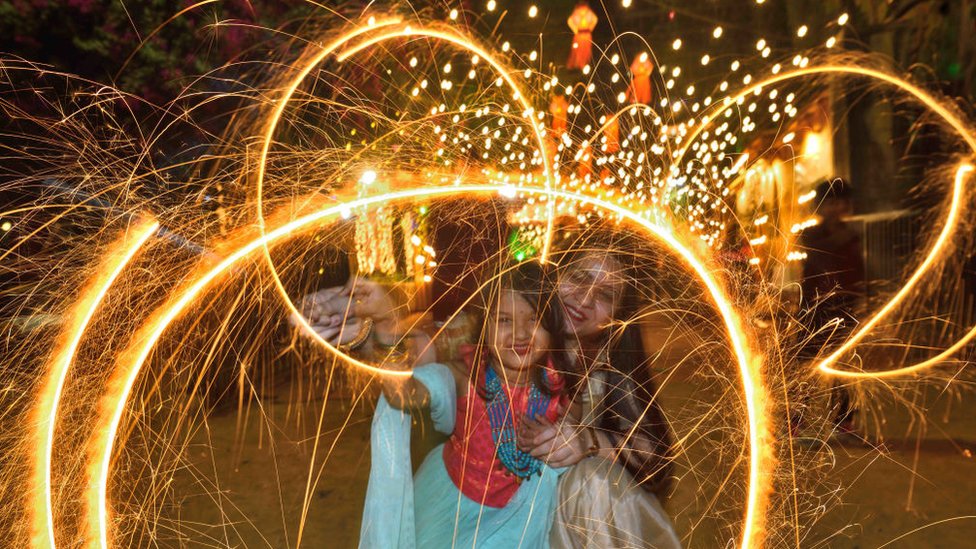
This weekend is a bumper 2 days of festivities, with Halloween, Diwali and Guy Fawkes occurring on the same evenings!
Guy Fawkes Night, otherwise known as Bonfire Night, commemorates the failed Gunpowder Plot of 1605 when Guy Fawkes and his fellow conspirators attempted to blow up the Houses of Parliament. Today, families gather across the UK for a night of fireworks and bonfires.
Diwali, Deepavali or the Festival of Lights, is a time for religious rituals and sharing traditional stories, most typically celebrated by those with Indian heritage and/or Hindu faith. It’s also an opportunity to decorate, feast, party, and of course, celebrate with fireworks.
And Halloween? That’s a tradition that dates back to the ancient Celtic festival of Samhain, 2,000 years ago. The 31st of October is the day in the year when the gap between our world and the spirit world was blurred, making it easier for the spirits of the dead to return. To commemorate the day, they would build huge bonfires, wear costumes and tell fortunes.
These events are fun traditions, but it’s important to inform yourselves and your foster children on how to minimise danger when handling fireworks and bonfires. Here are a few tips to get started.
1. Firework Safety
- Buy fireworks from reputable retailers: Ensure the fireworks you buy are legal and marked with the CE safety mark. Avoid cheap or unregulated fireworks, as these may be dangerous.
- Follow the instructions: Always read and follow the manufacturer’s instructions on each firework. Use fireworks in open spaces, away from buildings, trees, and flammable materials.
- Light them at arm’s length: Use a taper or firework lighter, and keep your body as far away as possible when igniting. Stand back immediately after lighting.
- Never go back to a lit firework: If a firework doesn’t go off, don’t approach it again, as it could still be active.
- Keep fireworks away from children: Supervise children at all times, and only let adults handle fireworks. Ensure children know to keep a safe distance.
- Use a bucket of water or hose for emergencies: Keep water or a fire extinguisher close by in case of an accident. Once the fireworks are spent, douse them in water to prevent any lingering flames.
2. Bonfire Safety
Bonfires are a central feature of many Guy Fawkes Night celebrations, but they can quickly become dangerous if not properly controlled. Follow these tips to stay safe:
- Choose a safe location: Build your bonfire away from houses, trees, fences, and sheds. Ensure it is positioned in a clear, open area where it can be easily contained.
- Build a stable bonfire: Use only dry wood to build your bonfire and avoid using flammable liquids like petrol or paraffin, which can cause explosions. Pile the wood steadily, ensuring it won’t collapse as it burns.
- Monitor the fire at all times: Never leave a bonfire unattended, and assign a responsible person to manage it. Keep a bucket of water or hose nearby to control any spreading flames.
- Keep children and pets at a safe distance: Bonfires can cause serious burns if approached too closely. Establish a clear perimeter around the fire and ensure everyone, especially children and pets, stays outside this boundary.
- Extinguish the bonfire fully: At the end of the night, use water to fully extinguish the bonfire. Stir the ashes to make sure no embers remain that could reignite.
3. Sparklers
Sparklers are popular with children, but they burn at extremely high temperatures (up to 2,000°C), making them a potential hazard. Here’s how to use them safely:
- Always supervise children: Make sure an adult is present when children are using sparklers. Teach them to hold sparklers at arm’s length and not to run while holding them.
- Wear gloves: Always wear gloves, ideally made of leather, when holding sparklers to protect your hands from burns.
- Keep sparklers away from clothes: Sparklers can easily ignite clothing, especially loose fabrics like scarves and dresses. Avoid wearing flammable materials.
- Dispose of sparklers safely: Once the sparkler has burned out, place it in a bucket of cold water to avoid accidental burns.
4. General Tips for a Safe Weekend
- Dress appropriately: Wear non-flammable, close-fitting clothing to minimize the risk of burns. Tie back long hair and avoid scarves or other loose accessories.
- Watch from a safe distance: Always keep a safe distance from fireworks, bonfires, and other fire-related activities. Set up a designated viewing area far enough away from the action.
- Check the weather: Windy conditions can make fireworks and bonfires more dangerous by spreading embers and flames. Consider postponing your event if the weather is unfavourable.
- Mind your pets: Fireworks can be extremely stressful for animals. Keep pets indoors, close windows, and create a quiet, comfortable space for them during the festivities.
- Be mindful of alcohol consumption: If you’re drinking, make sure someone responsible is in charge of lighting fireworks and monitoring the bonfire. Alcohol can impair judgment and coordination, increasing the risk of accidents.
- If your young person is at risk, you can always contact Banya duty 020 8678 5330. Phone lines are open 24/7.
5. First Aid for Firework-Related Injuries
Accidents can happen even with the best precautions. In case of an injury, here’s what to do:
- For burns: Run the affected area under cool running water for at least 10 minutes. Do not apply ointments or creams. Cover the burn with a sterile, non-stick dressing.
- For eye injuries: If debris from fireworks gets into the eye, avoid rubbing or rinsing it. Seek immediate medical attention.
- For serious injuries: If someone is injured by a firework, seek immediate medical assistance. Call 999 if necessary.
This weekend is a time for celebration, but it’s important to keep safety at the forefront to avoid accidents. Whether you’re attending a large public display or having a small backyard celebration, following these safety tips will ensure a fun and injury-free event. Keep your family and friends safe by planning ahead, staying vigilant, and always erring on the side of caution.
Stay safe and have fun!
