

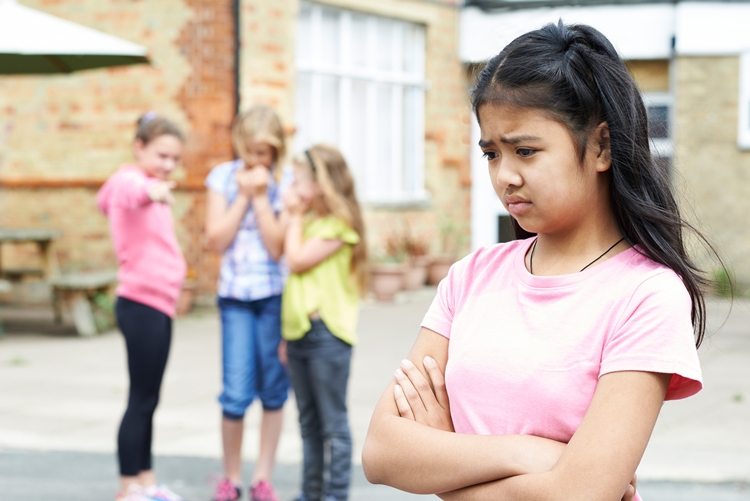
It’s Anti-Bullying Week (16 to 20 November), and this year’s theme from the Anti-Bullying Alliance is ‘Break the Silence’: creating spaces where children feel safe to speak up, are listened to when they do, and know they’re not alone.
This guide covers why children in foster care can be more vulnerable to bullying, the signs to look out for, and what you can do to help.
Why children in foster care can be more vulnerable
Any child can be bullied, but children in care can face extra challenges:
- Being the new kid. A move often means a new school part-way through the year, when friendship groups are already set.
- Being in care. Other children may ask questions, gossip or make hurtful comments about not living with their birth family.
- Standing out. Foster children sometimes move to a new area and may be one of only a few children at their new school who share their background or culture. Being new and seen as different can make them a target for bullying, including racist bullying.
- Past experiences. Children who’ve been through hard times may find it harder to trust, make friends or manage big feelings. That can make them a target, or sometimes lead them to bully others.
Why children often stay silent
Children in care can have particular reasons for keeping quiet:
- worrying that telling will cause trouble and they’ll have to move again
- not yet trusting the adults around them, especially if adults have let them down before
- feeling ashamed, or believing it’s their fault
- fearing it will get worse if the bully finds out
- not having the words for what’s happening, particularly younger children or those with additional needs
A child might drop hints long before they tell you the whole story.
Signs a child might be being bullied
At school
- not wanting to go to school, or tummy aches and headaches on school mornings
- changing their route, or wanting to be dropped off and picked up
- falling behind with schoolwork, or dropping clubs they used to enjoy
Mood and behaviour
- seeming anxious, withdrawn, tearful or unusually quiet
- angry outbursts at home, or taking frustration out on siblings or pets
- trouble sleeping, nightmares or bedwetting
- coming home starving, because lunch or lunch money was taken
- saying things like “nobody likes me” or “I’m stupid”
Belongings and appearance
- unexplained cuts, bruises or scratches
- torn clothes, or lost or damaged belongings
- asking for extra money, or money going missing
Online
- seeming upset or jumpy after using their phone
- suddenly avoiding their phone, or being very secretive about it
- deleting accounts or stopping using apps they used to love
With children in foster care, these signs can easily be put down to settling in, family time or past experiences. One sign on its own doesn’t necessarily mean bullying, but if you notice a few together, or something just doesn’t feel right, trust your instincts.
Making it easier to talk
- Pick side-by-side moments. Car journeys, cooking or walking the dog are often easier than face-to-face chats.
- Ask everyday questions. “Who did you sit with at lunch?” can tell you a lot.
- Talk about bullying in general. A storyline on TV gives you a way in without putting them on the spot.
- Say it out loud. Let them know that being bullied is never their fault, and that nothing they tell you will change how you feel about them.
If they tell you they’re being bullied
- Stay calm. A calm response shows them it’s safe to keep talking.
- Listen first. Let them tell it their way, without interrupting or quizzing them.
- Believe them, and thank them for telling you.
- Be honest about what happens next. Don’t promise to keep it secret. Explain who you’ll need to tell, and why.
- Ask what they’d like to happen. Bullying takes away a child’s sense of control, and involving them gives some of it back.
What to do next
Keep a record
Write down what happened, when, where, who was involved and what was said, and date each entry. For online bullying, take screenshots before anything is deleted.
Tell the right people
- Your supervising social worker, who can advise and support you
- The child’s social worker
- The school: the class teacher or head of year, and the designated teacher for looked-after children, who every state school must have
Work with the school
- Ask to see the school’s anti-bullying policy
- Agree a clear plan: who will do what, and by when
- Ask about a safe person or space the child can go to during the day
- Book a follow-up meeting to check the plan is working
Racist bullying
If a child is being targeted because of their race, skin colour, hair, culture or religion, say so clearly to the school, and ask how they will record and respond to it as a racist incident. Children need to hear from the adults around them that who they are is something to be proud of.
Online bullying
If a child is being bullied online, through messages, social media or games, encourage them not to reply, and save the evidence with screenshots. Help them block and report the person, and check their privacy settings together. Try not to take their phone away as a punishment, as it can stop them telling you next time.
Rebuilding confidence
- Make time for things they enjoy and are good at, like a club, sport, music or drama
- Help them build friendships outside school, where they can have a fresh start
- Celebrate their identity, culture and background
- If you’re worried about their mental health, speak to their GP or social worker
What if your child is the one doing the bullying?
Children who bully others are often struggling too. Be clear that the behaviour isn’t OK, try to understand what’s behind it, and talk to your supervising social worker and the school about how to support them to put things right.
Where to find support
- Childline: 0800 1111, free and confidential for children and young people, any time
- Anti-Bullying Alliance: advice and resources for parents, carers and schools
- Kidscape: advice for families, including on talking to schools
Banya is an independent fostering agency supporting foster carers in London and across England. When something like bullying comes up, our carers have their own supervising social worker and a whole team behind them. If you’d like to help children feel safe, heard and proud of who they are, we’d love to talk to you about fostering. Give our friendly fostering advisors a call on 0800 989 0135 or message us via the website.
Frequently asked questions
What’s the difference between bullying and falling out?
Falling out is normal and usually short-lived, and both children are on an equal footing. Bullying is hurtful behaviour that’s deliberate and repeated, where one child, or a group, has more power than the other.
Is bullying a crime?
Bullying itself isn’t a specific crime in the UK, but some bullying behaviour can be, including assault, threats, harassment, hate crime and sharing intimate images. If you think a crime has been committed, you can report it to the police.
What can I do if the school isn’t dealing with bullying?
Put your concerns in writing and ask for the school’s complaints procedure. If that doesn’t resolve it, you can take it to the governors. For a child in care, involve their social worker and the Virtual School head too, as they can help push for action.
What is Odd Socks Day?
Odd Socks Day marks the start of Anti-Bullying Week. Children and adults wear odd socks to celebrate what makes everyone unique. In 2026 it’s on Monday 16 November.
When is Anti-Bullying Week 2026?
Anti-Bullying Week 2026 runs from Monday 16 to Friday 20 November. It’s coordinated by the Anti-Bullying Alliance, and this year’s theme is “Break the Silence”.
